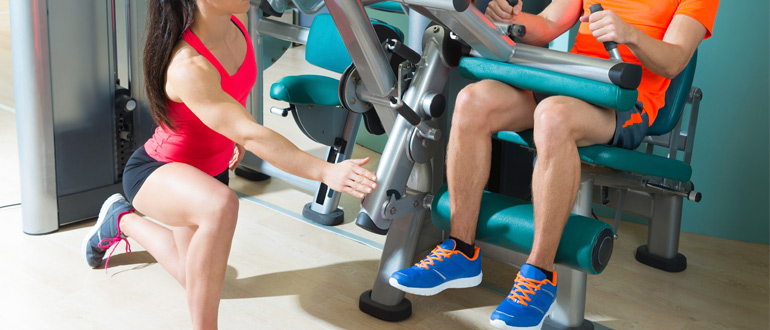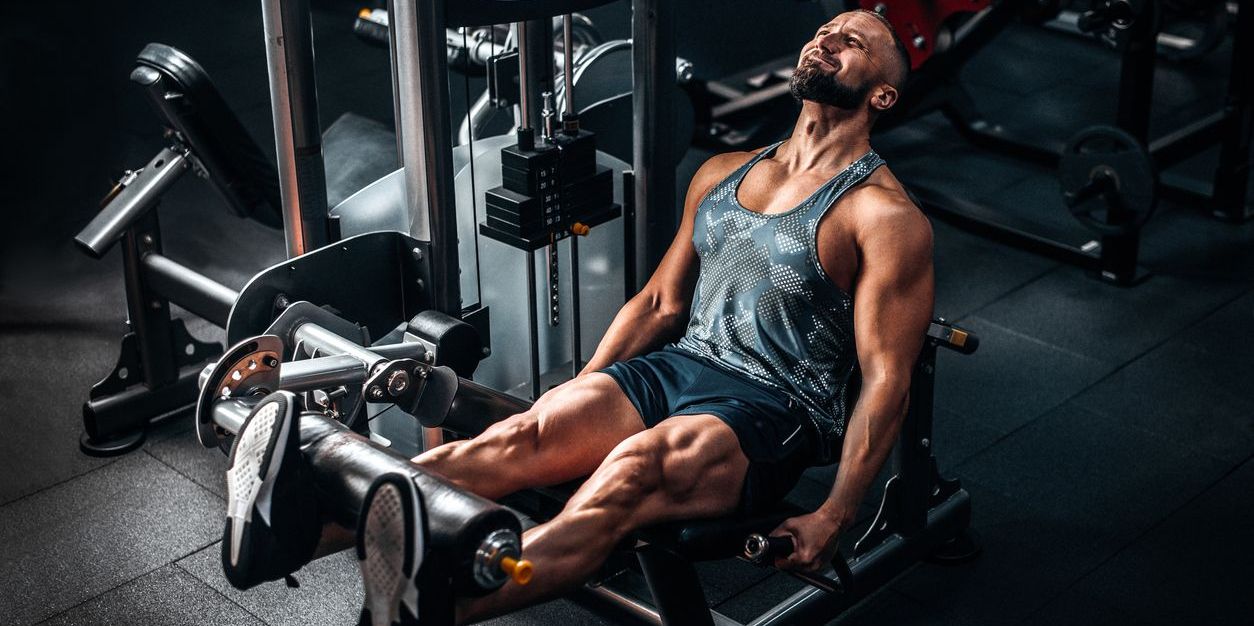
Leg weight machines are a great way to build strength, improve muscle tone, and support overall lower-body fitness. They allow you to target specific muscle groups with controlled resistance, helping you train safely and effectively, especially if you're new to weight training or recovering from an injury.
However, it's important to know how to use each machine properly. Always warm up before starting your workout to prepare your muscles and reduce the risk of injury. If you're unsure about how a machine works or how to set it up, don’t hesitate to ask a qualified member of staff for guidance.
Here are some of the most common leg machines you’ll find in a gym, along with tips on how to use them safely and effectively.
Leg press machine
The leg press is a popular and highly effective machine for developing strength in your lower body. It mainly targets the quadriceps, hamstrings, glutes (gluteus maximus), and calves.
How it works:
Most leg press machines have a reclined seat and a large platform or footplate where you place your feet. Once seated, your legs should be bent at the knees, with your feet flat against the platform. Adjust the seat so that your lower back is firmly supported, this is essential for preventing strain or injury.

How to perform the exercise:
- Sit back in the seat with your feet shoulder-width apart on the platform.
- Push the platform away from you by straightening your legs—do not lock your knees at the top.
- Slowly return to the start position by bending your knees and lowering the platform in a controlled manner.
- Repeat for your desired number of reps.
Make sure to breathe steadily throughout and avoid pushing with your toes, which can place unnecessary strain on your knees.
Leg curl machine

The leg curl machine is designed to isolate and strengthen your hamstrings, the muscles at the back of your thighs. Some gyms may have different variations, including seated, lying, or standing leg curl machines, but the seated version is most common.
How it works:
You’ll sit on the machine with your back against the support and your legs extended straight in front of you. A padded lever sits above your lower calves, and the movement involves curling your legs downwards.
How to perform the exercise:
- Adjust the machine to fit your body size, make sure the backrest supports your spine and the pad is positioned just above your ankles.
- Start with your legs extended.
- Use your hamstrings to pull the padded lever down by bending your knees.
- Once your knees are close to a right angle, slowly return to the starting position.
Avoid arching your back or using momentum—focus on controlled movements and engaging the correct muscles.
Leg extension machine
The leg extension machine primarily targets the quadriceps, the large muscles on the front of your thighs. It's a great machine for improving strength in this area, especially after injury or for general toning.
How it works:
You’ll be seated with your knees bent and your ankles behind a padded bar. By extending your legs, you lift the bar using your quadriceps.

How to perform the exercise:
- Sit comfortably with your back against the pad and adjust the seat and bar so your knees are aligned with the pivot point of the machine.
- Hook your feet behind the padded bar.
- Slowly extend your legs until they are just short of being straight (avoid locking your knees).
- Lower the bar back down in a controlled manner.
Be sure not to use your upper body or back to help lift the weight, only your leg muscles should be engaged.
General Safety Tips:
- Always check that the machine is adjusted properly before starting your set.
- Begin with a light weight to practise proper form before increasing the resistance.
- Focus on controlled, steady movements rather than rushing through the reps.
- Never lock your knees or snap through the motion—keep tension on the muscles, not the joints.
- If you feel any pain (as opposed to muscle fatigue), stop immediately and seek advice.
Final Thoughts
Using leg weight machines can significantly boost your strength, endurance, and balance. They are especially useful for creating a balanced lower-body workout and can be a helpful alternative if you struggle with free weights or want to isolate specific muscles. For best results, combine them with a full-body training programme and regular stretching.
Let us guide you through each machine to ensure you’re training safely and getting the most from your workouts.